Effective Diets for Chronic Inflammation Relief: Anti-Inflammatory Eating Plans

Living with chronic inflammation can be challenging. It affects your energy, mood, and overall health. Fortunately, what you eat plays a significant role in managing inflammation. Over the years, I have learned that adopting specific anti-inflammatory eating plans can provide relief and improve quality of life. In this post, I will share practical insights and actionable advice on effective diets that help reduce chronic inflammation.
Understanding Anti-Inflammatory Eating Plans
Anti-inflammatory eating plans focus on foods that reduce inflammation and avoid those that trigger it. These diets emphasize whole, nutrient-dense foods rich in antioxidants, fiber, and healthy fats. When you follow such a plan, you support your body's natural ability to heal and maintain balance.
Some common features of anti-inflammatory eating plans include:
High intake of fruits and vegetables: These provide vitamins, minerals, and antioxidants that combat oxidative stress.
Inclusion of healthy fats: Sources like olive oil, nuts, and fatty fish contain omega-3 fatty acids, which have anti-inflammatory properties.
Whole grains over refined grains: Whole grains help regulate blood sugar and reduce inflammation.
Limited processed foods and sugars: These can increase inflammatory markers in the body.
Moderate consumption of lean proteins: Such as poultry, legumes, and fish.
One popular example is the Mediterranean diet, which has been extensively studied for its anti-inflammatory effects. It encourages fresh produce, whole grains, nuts, and healthy fats while limiting red meat and processed foods.

By adopting these eating plans, you can create a foundation for reducing chronic inflammation and supporting long-term wellness.
Key Components of Anti-Inflammatory Eating Plans
To make these plans work for you, it helps to understand the specific foods that promote or reduce inflammation. Here are some key components to focus on:
Foods to Include
Fruits and Vegetables: Berries, leafy greens, tomatoes, and cruciferous vegetables like broccoli are excellent choices.
Healthy Fats: Olive oil, avocado, flaxseeds, and walnuts provide essential fatty acids.
Whole Grains: Brown rice, quinoa, oats, and barley help maintain steady blood sugar levels.
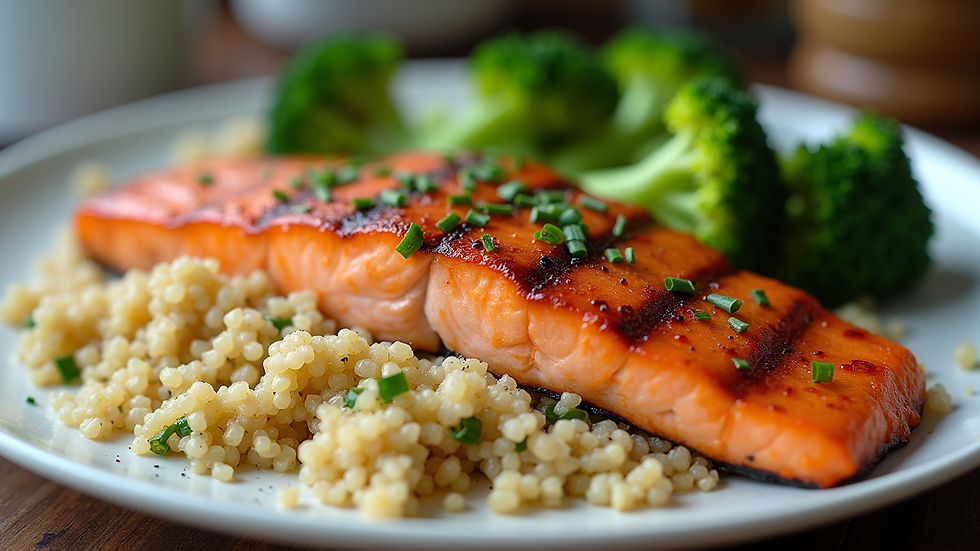
Lean Proteins: Fish rich in omega-3s such as salmon, mackerel, and sardines; plant-based proteins like beans and lentils.
Herbs and Spices: Turmeric, ginger, garlic, and cinnamon have natural anti-inflammatory effects.
Foods to Limit or Avoid
Refined Carbohydrates: White bread, pastries, and sugary cereals.
Processed Meats: Sausages, bacon, and deli meats.
Excessive Sugar: Soft drinks, candy, and desserts.
Trans Fats: Found in some fried and packaged foods.
Excessive Alcohol: Can increase inflammation and damage tissues.
By focusing on these components, you can tailor your meals to support your body's needs and reduce inflammation effectively.
Does Inflammation Cause Swelling?
Yes, inflammation often causes swelling. When your body detects injury or harmful stimuli, it triggers an immune response. This response increases blood flow to the affected area, bringing immune cells to fight infection or repair damage. The increased fluid and immune activity cause swelling, redness, and warmth.
In chronic inflammation, this process continues longer than necessary, leading to persistent swelling and discomfort. Managing your diet can help reduce this ongoing inflammatory response and the associated swelling.
For example, omega-3 fatty acids found in fish oil have been shown to reduce swelling by modulating immune function. Similarly, antioxidants in fruits and vegetables help neutralize free radicals that contribute to tissue damage and inflammation.
Understanding this connection between inflammation and swelling highlights why dietary choices matter. By choosing anti-inflammatory foods, you can help your body calm this response and reduce symptoms.
Practical Tips for Implementing an Anti-Inflammatory Diet
Changing your eating habits can feel overwhelming, but small, consistent steps make a big difference. Here are some practical tips to help you get started:
Plan Your Meals: Prepare weekly menus focusing on anti-inflammatory foods. This reduces the temptation to reach for processed options.
Cook at Home: Home-cooked meals allow you to control ingredients and avoid hidden sugars and unhealthy fats.
Snack Wisely: Choose nuts, seeds, or fresh fruit instead of packaged snacks.
Stay Hydrated: Drink plenty of water throughout the day to support your body's detoxification processes.
Experiment with Spices: Add turmeric, ginger, and garlic to your dishes for flavor and anti-inflammatory benefits.
Limit Red Meat: Replace it with fish or plant-based proteins several times a week.
Read Labels: Avoid products with trans fats, high fructose corn syrup, and artificial additives.
By incorporating these habits, you create a sustainable lifestyle that supports your health goals.
The Role of a Chronic Inflammation Diet in Long-Term Wellness
A well-designed chronic inflammation diet is more than a temporary fix. It is a personalized approach that addresses your unique health needs and supports lasting improvements. At Synergetic Functional Nutrition & Wellness Clinic, we emphasize evidence-based nutrition tailored to your condition.
This diet helps:
Reduce inflammatory markers in the body
Improve digestion and nutrient absorption
Support immune system balance
Enhance energy and mood stability
Prevent complications related to chronic inflammation
By working with a nutrition professional, you can develop a plan that fits your lifestyle and preferences. This partnership empowers you to take control of your health and achieve long-term wellness.
Moving Forward with Confidence
Adopting an anti-inflammatory eating plan is a powerful step toward managing chronic inflammation. It requires patience and commitment, but the benefits are well worth the effort. Remember, you are not alone on this journey. With the right knowledge and support, you can make informed choices that promote healing and vitality.
Start by incorporating more whole foods, healthy fats, and colorful vegetables into your meals. Gradually reduce processed foods and sugars. Listen to your body and adjust as needed. Over time, you will notice improvements in how you feel and function.
Your health is your most valuable asset. Nourish it wisely with an anti-inflammatory diet that supports your unique needs and goals.
Thank you for reading. If you want to learn more about personalized nutrition strategies for chronic inflammation, feel free to explore resources or consult with a qualified nutrition expert. Your path to lasting wellness begins with the choices you make today.


Comments